On this page
Many foods that are fine for people are dangerous for dogs. Most accidents happen with ordinary items: a dropped grape, a sugar-free treat, a bar of chocolate left on a low table. This list covers the most common ones. If your dog has eaten any of them, call your veterinarian or a poison line right away. Do not wait for symptoms.
Foods that are toxic to dogs
| Food | Why it is a problem |
|---|---|
| Chocolate and cocoa | Contains theobromine; darker and baking chocolate are the most dangerous. |
| Grapes and raisins | Can cause kidney failure, even in small amounts. |
| Xylitol (birch sugar) | A sweetener in some gum, baked goods and peanut butters that can cause a dangerous drop in blood sugar and liver damage. |
| Onions, garlic, chives, leeks | Can damage red blood cells, raw, cooked or powdered. |
| Macadamia nuts | Can cause weakness, vomiting and tremors. |
| Alcohol and raw yeast dough | Can cause poisoning and dangerous bloating. |
| Caffeine | Coffee, tea and energy products can cause restlessness and heart problems. |
Foods that are risky
- Cooked bones can splinter and injure the mouth or gut.
- Very fatty foods such as bacon, fat trimmings and rich leftovers can trigger pancreatitis.
- Salty snacks and seasoned leftovers can upset the stomach.
- Corn on the cob, fruit pits and avocado stones are choking and blockage hazards.
- Large amounts of dairy cause diarrhea in many dogs.
Quick answers: can dogs eat…?
| Food | Short answer |
|---|---|
| Plain cooked rice | Yes, in small amounts. |
| Peanut butter | Only if it is unsalted and contains no xylitol. Check the label every time. |
| Apple | Yes, without seeds or core. |
| Banana and blueberries | Yes, as occasional treats. |
| Cheese | A small piece may be fine, but it is fatty and many dogs are lactose intolerant. |
| Plain bread | A small amount is usually harmless, but never raw dough, or bread with raisins, nuts or garlic. |
| Seedless watermelon | Yes, without the rind. |
| Plain popcorn | Plain and unbuttered in small amounts, but kernels can be a choking risk. |
Individual dogs differ. If your dog has allergies, kidney, liver or pancreas problems, ask your vet before offering new foods.
Dog-friendly foods in small amounts
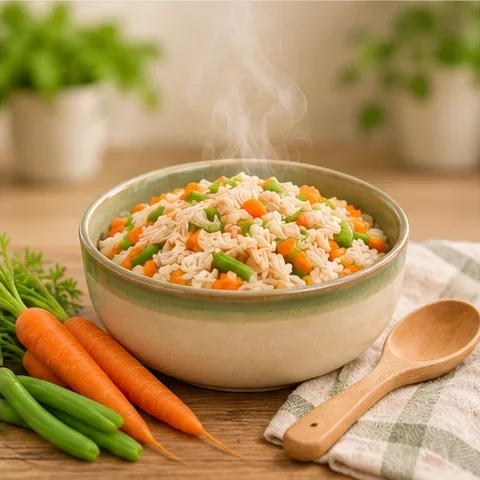
Plain cooked chicken or turkey, cooked eggs, carrots, green beans, pumpkin and sweet potato are common, dog-safe choices when served plain. Introduce any new food slowly and keep extras to about 10% of daily calories. See our fresh cooked dog food guide.
What to do if your dog eats something dangerous
- Remove any remaining food and keep the packaging.
- Call your veterinarian, or the ASPCA Animal Poison Control Center (888-426-4435) or the Pet Poison Helpline (855-764-7661). Fees may apply.
- Have ready: your dog’s weight, what was eaten, how much, and when.
- Do not make your dog vomit unless a professional tells you to.
This list is not complete. When in doubt, ask your vet before feeding anything new.
Common questions about unsafe foods
What foods are very toxic to dogs?
Chocolate and cocoa, grapes and raisins, xylitol, onions, garlic, chives and leeks, macadamia nuts, alcohol and raw yeast dough, and caffeine are among the most common. If your dog has eaten any of them, call your vet or a poison line right away.
Can dogs eat peanut butter?
Only if it is unsalted and contains no xylitol. Xylitol is dangerous to dogs, so check the label every time.
Are cooked bones safe for dogs?
No. Cooked bones can splinter and injure the mouth or gut. Raw bones carry their own risks, including cracked teeth and blockages.
What is the worst thing you can feed a dog?
There is no single worst food, but xylitol, grapes and raisins, chocolate, onions and garlic are among the most dangerous everyday foods. Very fatty foods can also trigger pancreatitis. When in doubt, ask your vet before offering anything new.
Can dogs eat rice and vegetables every day?
Plain cooked rice, carrots, green beans and similar foods are safe building blocks, but rice and vegetables alone are not a complete diet. A diet fed every day must give the right amounts of protein, fat, vitamins and minerals. Ask your vet for a balanced plan.