
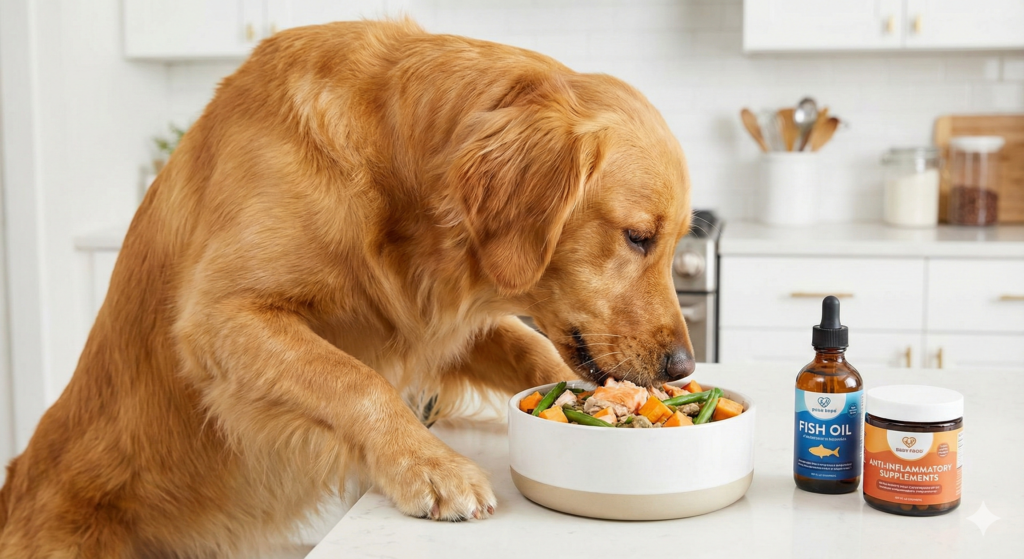
Is there anything worse than the sound of your dog scratching at 2 AM? The constant thumping of their leg against the floor, the obsessive licking of paws until they are raw, and the chronic ear infections that just won't go away. It is heartbreaking to watch your best friend live in constant discomfort.
If you have been to the vet, you have likely been down the expensive road of medications. You may have been prescribed Apoquel, Cytopoint injections, or steroids. While these drugs are miracles for stopping the itch temporarily, they often act as a "band-aid," masking the symptoms without fixing the root cause. And for many dogs, the moment the medication stops, the itch returns with a vengeance.
Here is the uncomfortable truth: For over 70% of itchy dogs, the problem isn't "bad luck" or "pollen." The problem is inflammation caused by their diet. Commercial kibble, even the expensive "Prescription Allergy" brands, is often the fuel feeding the fire of your dog's skin condition.
The solution isn't another pill. It is an Anti-Inflammatory Fresh Food Diet. By switching to specific, homemade recipes that eliminate starch and cool the body, you can starve the yeast and soothe the skin from the inside out.
Why Kibble is the Enemy of Itchy Skin
To make kibble into hard, crunchy nuggets, manufacturers have to use a binding agent. This is almost always a starch—corn, wheat, soy, white potato, or peas. When your dog eats this starch, it breaks down into sugar in their body.
Yeast loves sugar.
If your dog smells like corn chips (Fritos), has rusty-colored paws, or greasy skin, they likely have a yeast overgrowth. Feeding them high-starch kibble is like throwing gasoline on a fire; you are literally feeding the yeast that is making them itch.
The Hidden Danger: Storage Mites
There is another hidden trigger in dry food: Storage Mites. These microscopic bugs live in dry goods like cereal and grains. They are present in almost all bags of kibble, especially once the bag is opened and exposed to air. Many dogs diagnosed with "dust mite allergies" are actually reacting to the dead mite carcasses in their dry food. Moving to fresh, moisture-rich food eliminates this trigger instantly.
Understanding "Leaky Gut"
Chronic itching is often a symptom of "Leaky Gut Syndrome." This happens when the lining of your dog's intestines becomes inflamed (often from processed food) and becomes permeable. Large food particles and toxins "leak" into the bloodstream.
Your dog's immune system sees these particles as invaders and launches an attack. This attack manifests as inflammation in the skin—hot spots, rashes, and itching. To stop the itch, you must heal the gut. And you cannot heal the gut with ultra-processed, high-heat dry food.
The Anti-Inflammatory Solution
To heal your dog's skin, you need recipes that focus on "Cooling" ingredients (like whitefish, duck, or rabbit) and low starch. You need a guide that specifically targets inflammation.
Our top pick for allergy-prone dogs is the Homemade Healthy Dog Food Cookbook. We chose this book because it specifically categorizes recipes by health benefit, including a dedicated section for "Anti-Inflammatory" meals perfect for itchy pups.

Homemade Healthy Dog Food Cookbook
This isn't just a recipe book; it's a healing manual. It focuses on limited-ingredient diets (LID) which are essential for identifying what your dog is reacting to.
The "Anti-Inflammatory" section uses ingredients like turmeric, sweet potato (instead of white potato), and fatty fish to naturally reduce redness and swelling. It takes the guesswork out of formulating a soothing diet.
5 Ingredients You Must Avoid
When preparing homemade food for an itchy dog, you are on an "Elimination Diet." This means you strip away anything that could be a trigger. Here are the top 5 offenders you should avoid in your first month:
Two Supplements You Must Add
Fresh food removes the "triggers," but to speed up healing, you need to actively repair the skin barrier. For allergic dogs, we recommend adding these two boosters to your homemade meals.

Wild Alaskan Salmon Oil
High in Omega-3 fatty acids (EPA/DHA), this reduces systemic inflammation and helps regrow fur on bald spots. It is the single most important supplement for itchy dogs.
Check Price
Canine Probiotic Chews
70% of the immune system is located in the gut. If you fix the gut flora, you stop the yeast from overgrowing on the skin. Look for a probiotic with at least 1 billion CFUs.
Check PriceCost: Fresh Food vs. Allergy Shots
Many owners hesitate to switch to fresh food because of the perceived cost of ingredients. "Human grade meat is expensive!" they say. However, you have to look at the total cost of ownership of an allergic dog. Compare the grocery bill to the medical bills:
- Cytopoint Injection: $90 - $150 per month (forever).
- Apoquel Pills: $60 - $100 per month.
- Vet Visits for Ear Infections: $150+ per visit (often 3-4 times a year).
The Fresh Food Reality: Spending $20 on a cookbook and $80/month on fresh turkey and veggies is actually cheaper than the medical bills for a chronic allergy dog. Plus, you are fixing the problem, not just masking the symptom. The peace of mind of seeing your dog sleep through the night without scratching? That is priceless.
Final Thoughts: The Detox Period
If you decide to switch today, be aware of the "Detox Period." When you remove kibble and start feeding fresh food, the yeast on your dog's skin begins to die off. This can sometimes look like the skin is getting worse for a few days (a "healing crisis") as toxins leave the body. Do not panic. Stick with the diet for at least 8 weeks. Most owners see a shiny coat and a happy, itch-free dog by week 4.
Disclaimer: We are not veterinarians. The advice here is for educational purposes. Severe allergies can be dangerous. Always consult your vet before stopping any prescribed medication. This post contains affiliate links.